
Search Logan County Property Records
A Logan County property records search works best in steps. Start with one known clue. The Logan PVA qPublic entry point accepts an address. It also takes an owner name or a parcel ID. The assessment card that comes back links that clue to an account number. It adds the situs, mailing address, description, class, tax district, value, and sales-history reference. Write down the exact owner name and the deed book-page reference. Both belong at the County Clerk. The Clerk, not the PVA, records the deed and the other land instruments.
The Sheriff collects the tax bill. The Circuit Court Clerk holds foreclosure, quiet-title, partition, and lien-enforcement files. Maps add spatial context, and archives add time depth. None of these systems replaces another. Each has limits, so read them carefully: a map line is not a survey, an assessment owner is not a title opinion, and a court index is not the certified file.
- Search the PVA system by address, name, parcel ID, or alternate ID. Save the parcel number and exact legal-description text.
- Use the owner and book-page clue in the County Clerk's deed index. Read the source-of-title clause and legal description.
- Check the Sheriff's current collection information and keep the tax year separate from the assessment year.
- Open map context through qPublic or Kentucky GIS data, then compare each line with a deed, plat, or survey.
- Ask the correct custodian for an image or certified copy when the portal is incomplete, restricted, or too recent to reconcile.
The same sequence gets a full field-by-field walkthrough elsewhere. The Logan County property search follows the address-to-record path in detail, without turning the result into a title conclusion.
Logan County Records Custodians
Logan County property records live in three core offices. The County Clerk records deeds, mortgages, releases, easements, plats, liens, wills, and affidavits of descent. The Property Valuation Administrator (PVA) assesses parcels and their values. The Sheriff collects property tax. A fourth office, the Circuit Court Clerk, becomes vital when a parcel is tied to a foreclosure, probate, boundary dispute, partition, or quiet-title case.
Logan County eCCLIX Access
The Clerk's online-records page routes users to eCCLIX for Logan County land records. The online span runs from 1980 forward. Logan residents pulling personal, noncommercial records may get up to five free searches per day. Commercial users need a subscription. Remember the limit. That license governs access only, and it does not promise that every deed image or older index entry is online.
The public eCCLIX landing screen asks for an account. Those signup fields are account fields, not deed queries, so do not mistake them for grantor, grantee, document-type, or date filters. If that route stalls, call or visit the Clerk. A narrow request works best: give the names, an approximate date, a parcel clue, the instrument type, and the copy format you want.
| Access path | Best use | Known limit |
|---|---|---|
| eCCLIX | 1980-current index lead | Login and private-use terms |
| Clerk counter | Images and certified copies | Confirm current hours |
| Archives | Older indexes and abstracts | A finding aid is not the original |
Logan PVA Search Fields
The public qPublic portal offers several entry points into Logan County property records. You can start a search by owner name, street address, or parcel ID. Select Kentucky and the Logan County area first. An alternate ID field and a broad search-all option are also available. Wildcard behavior, date coverage, exports, and pagination limits are not published. Stick to the search modes you can see on screen rather than assuming anything extra.
| Search field | Use it when | Check next |
|---|---|---|
| Address | The situs is known | Road-name variants and unit or lot |
| Owner name | A person or entity is known | Both name orders and punctuation variants |
| Parcel ID | An exact parcel key is available | Account and legal description |
| Alternate ID | An older or office-specific key appears | Match it to the current parcel |
A Kentucky Public Service Commission exhibit includes an official qPublic sample worth a look. It shows how one parcel record can pull together the owner, mailing address, situs, account number, description, class, tax district, valuation, improvements, sales history, maps, and tax links. All of that sits in a single view. That bundled layout explains a lot. The parcel search is the natural first step for most Logan County property questions. The Logan PVA information source is the official access lead for that work. The page itself spells out the available search options. The details above reflect its stated scope.
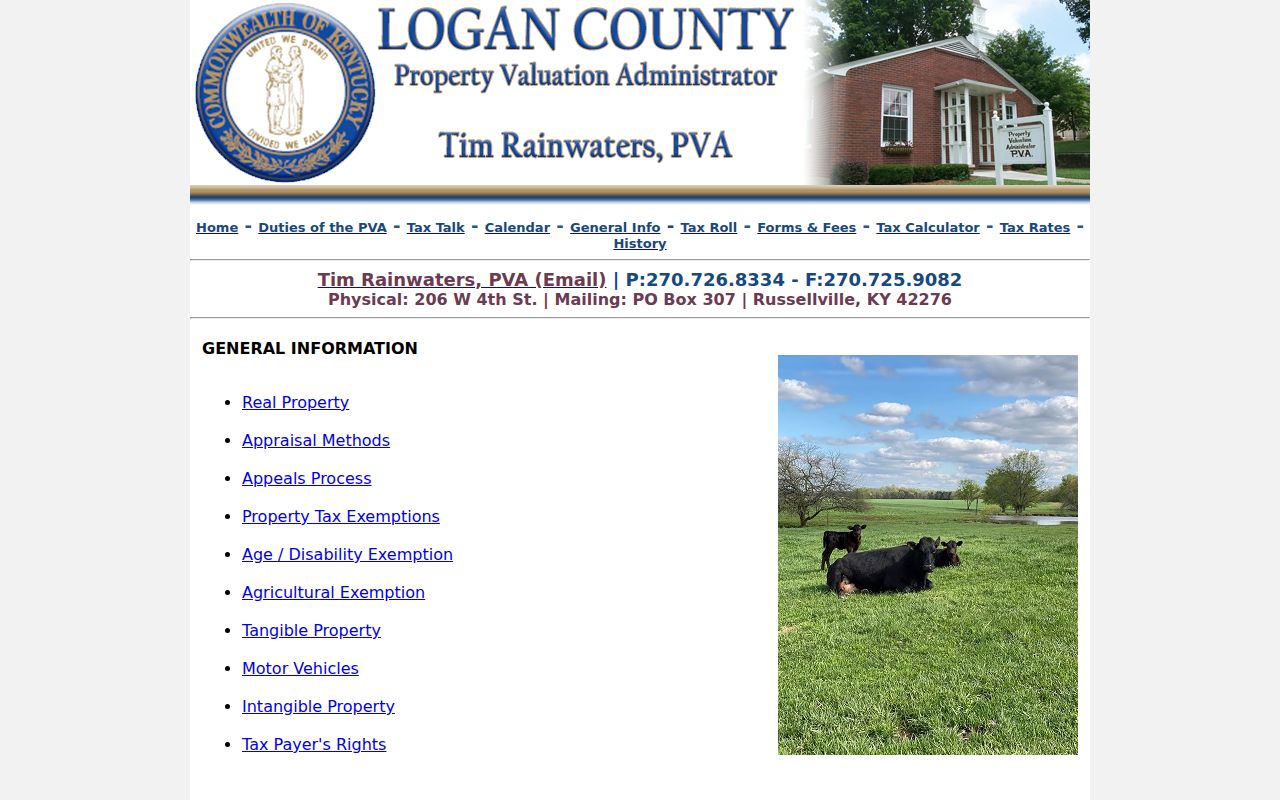
Keep in mind the PVA page is an assessment doorway. It is not recorded proof that the named party holds clear title.
Logan County Property Record Types
Logan County property records sort cleanly by the legal or administrative act each one documents. A deed records a conveyance of ownership. A mortgage or lien records a claim against the parcel. An assessment card identifies a parcel for valuation purposes. A tax record tracks collection for a given year. A court file may show litigation touching the property. A city permit records municipal review of proposed work. The keeper and the access route change with the question you bring.
| Record Type | What It Documents | Kept By | Access |
|---|---|---|---|
| Deeds | Conveyance, parties, legal description | County Clerk | eCCLIX, counter, request |
| Mortgages and liens | Secured claims, releases, easements | County Clerk | Index and recorded instrument |
| Assessment | Owner lead, parcel, class, value | Logan PVA | qPublic or PVA office |
| Property tax | Tax-year collection and delinquency | Sheriff, then Clerk | Sheriff information and request |
| Plats and maps | Lot context and approximate parcel shape | Clerk, PVA, state GIS | Recorded plat, map, data request |
| Property litigation | Claims, orders, sales, judgments | Circuit Court Clerk | CourtNet lead and clerk file |
Names and addresses rarely match perfectly across offices. Keep the role of each record straight. A sales entry in the PVA tables is only a pointer. It sends you toward a deed book and page, where the real instrument lives. The Sheriff's schedule tells you when taxes get collected, not who holds title.
A case number pulled from CourtNet opens a door. The signed orders and the evidence sit in the actual court file. Go there before drawing conclusions.
Logan County Maps Identify Parcels
Parcel mapping in Logan County starts with the qPublic parcel view. It can reach further through KyGovMaps Open Data. The state layers cover boundaries, transportation, imagery, elevation, water, infrastructure, and other geographic themes. A View Map link inside the PVA report ties assessment facts to a mapped parcel. The county publishes no Logan-specific tool for finding adjacent parcels or drawing a buffer. That comparison takes manual work.
Check the scale and the north arrow first. Note the layer name, the imagery date, and the map date. Also note the parcel outline and the road centerline. When a boundary line actually matters, set the map against the full deed description. Cross-check the recorded plat and a survey.
Kentucky DOR mapping output is stamped for identification only. It is not for conveyance. Use it to steer a property search, never to settle a boundary.
Logan Tax Dates Stay Separate
Kentucky sets January 1 as its assessment date. Whoever holds title that day is the owner the tax bill follows. The Logan County Sheriff mails bills in late September and opens collection October 1. A discount window comes first. Then taxpayers pay face amount, and penalties stack up after that. Unpaid taxes move past April 15 into the certificate-of-delinquency stage. That stage is where the tax sale process begins. Each of these events builds a different property record, so keep them separate. An inspection period, a PVA conference, and an appeal tell one story. A delinquency certificate and a tax sale never tell the same story. Logan County publishes no single parcel-level tax lookup. The Sheriff, the PVA, the County Clerk, and the current Kentucky DOR calendar are the reliable sources for dates and amounts.
Logan Archives Extend the Search
When an online name search stalls, the Logan County Archives record list is a strong next step. The Archives indexes grantors and grantees from 1792 to the present. It also holds deed abstracts and survey abstracts. Tax lists, wills, probate materials, court orders, and loose files are held there too. The County Clerk describes recorded instruments from 1798, while eCCLIX coverage starts in 1980. Those dates are layers, not contradictions, and no single number settles them. KDLA microfilm adds deeds from early and later spans. It also adds tax books, wills, land warrants, entries, and an 1877 map. Logan County's preservation model is unusual. The Archives says many county records stay at home. Search the Archives and the Clerk together. When an abstract supplies a lead, cite the original book and page. That discipline keeps Logan County property records traceable back to their source.
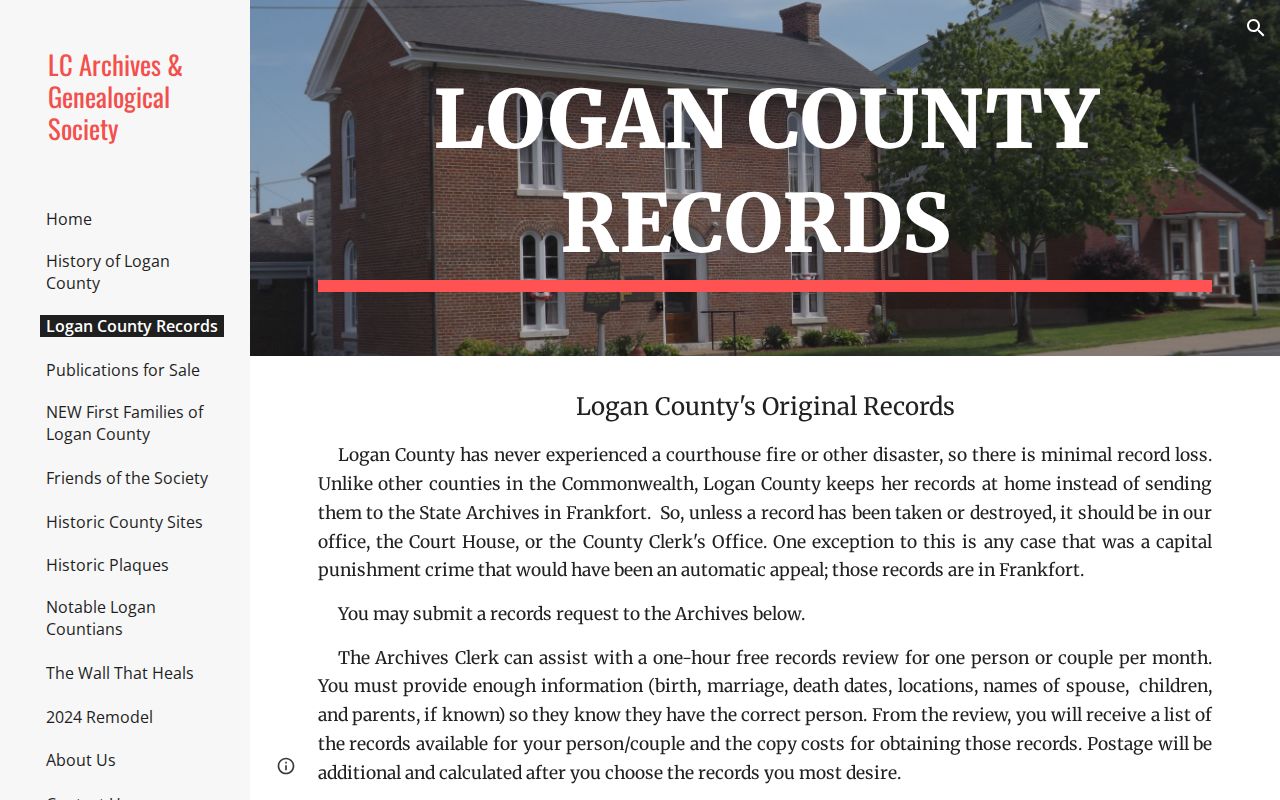
A finding aid is only the map. The deed, tax book, will, or loose paper underneath it remains the record to inspect.
Logan Recording Books Preserved
March 2025 fiscal-court minutes record County Clerk Stacy Watkins announcing a $38,000 Kentucky Department for Libraries and Archives grant to preserve recording books stored at Logan County Archives. That is good news for anyone chasing old land records. Funding does not make every volume searchable online, though. Ask which books were treated. Ask what finding aid exists, and whether an image or certified copy can now be supplied. The preserved holdings run far deeper than the portal. Grant applications describe deed books A through 42, covering 1792 through 1868, along with loose deeds, mortgage books, land entries, court orders, and other series. Preservation protects access. It does not erase the evidentiary gap between an index, an abstract, an image, and the original volume. Researchers should still know which one they are holding.
Logan Deed Fraud Alerts
The County Clerk promotes DOC ALERT for a practical reason. A person or business can register a name and an email. They then receive notice whenever a deed or mortgage bearing that name is filed. Treat the alert as a warning bell. It is not a verdict on whether a filing is valid or fraudulent. Open the indexed instrument itself. Compare its parties, legal description, source of title, signatures, notarization, and return address. The Logan DOC ALERT source offers a useful monitoring route. But no email alert replaces the official land record.
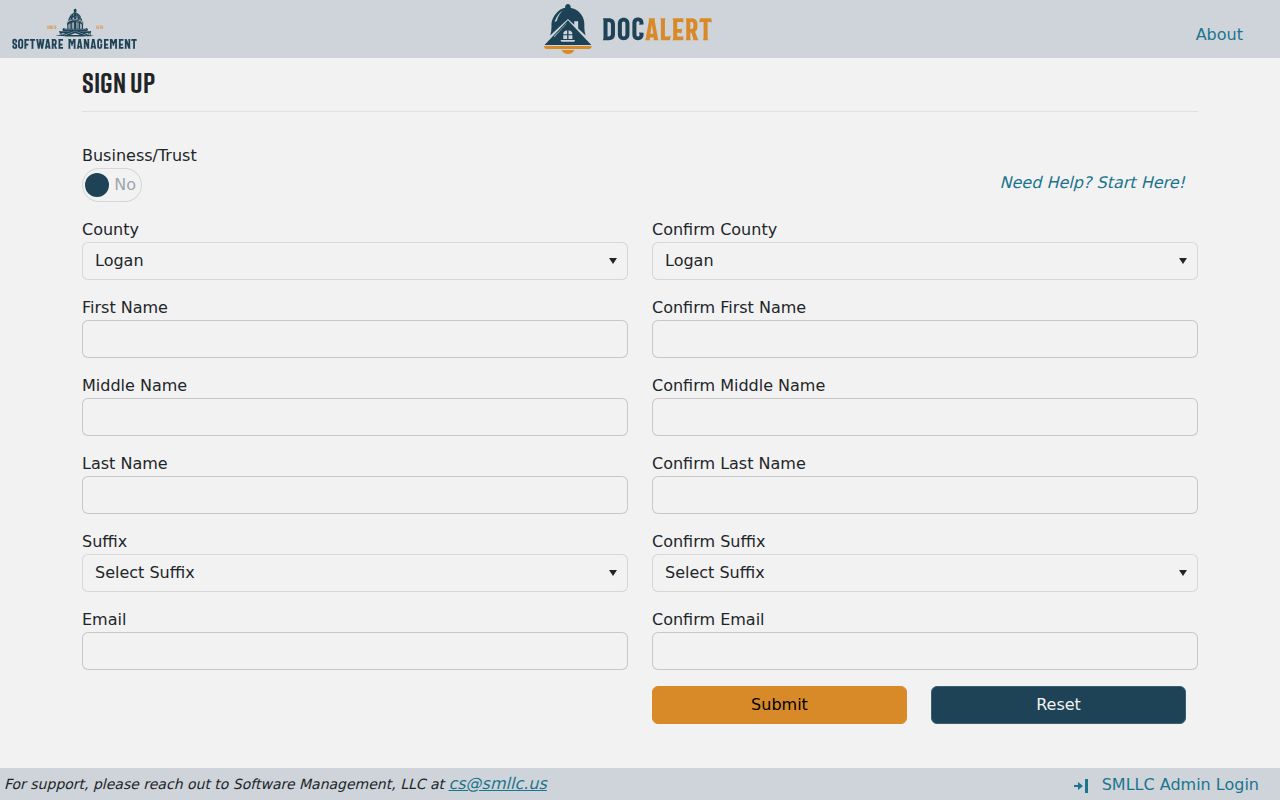
A name match can point to a different person or entity entirely. Verify the book-page or instrument reference with the Clerk before drawing any conclusion.
Logan City Records Add Context
Russellville, Auburn, and Lewisburg keep municipal permit, zoning, code, tax, and planning material. Deeds and parcel assessments stay county records. A mailing city or ZIP proves nothing about city limits. Pair the city file with the PVA tax district and the County Clerk instrument. Add Kentucky Secretary of State boundary filings too. The state Land Office records incorporation, annexation, severance, transfer, and boundary statements under Kentucky law. City permits can preserve a street number and subdivision lot. They also track zoning district, proposed use, site-plan clue, and approval status. Those details help crosswalk a parcel. A permit never proves title. Russellville-area Twin Oaks labels and Auburn's Emma Bell Price Hall Farm plat matter here. They show why exact subdivision wording counts in a Logan County property search.
Logan Property Terms Defined
A few short terms keep Logan County property records aligned across offices. Define them before comparing a portal result with a recorded instrument.
- Grantor
- The party conveying an interest in a deed.
- Grantee
- The party receiving the interest.
- Parcel ID
- The assessment and mapping key for a tract, which may change after a split or combination.
- Situs
- The property's location address, distinct from the owner's mailing address.
- Plat
- A recorded drawing of lots or a subdivision, often cited by cabinet, slide, envelope, or number.
- Assessed value
- The PVA's value for the tax process, not a sale appraisal.
Limits of Logan Property Records
Logan County property records can identify the assessment owner, the recorded grantee, a mailing address, the legal description, tax district, value fields, deed references, liens, releases, plats, and court leads. They cannot prove who occupies a house. They cannot guarantee that every claim has been found. They cannot fix a boundary or state what a parcel would sell for today. Trusts, estates, entities, recent transfers, and delayed updates can leave a simple owner name incomplete. Kentucky Safe at Home supplies a substitute address for many public records to eligible participants. But the program does not hide real-estate holdings. Respect redactions and access terms. Never try to reverse a protected address by combining voter and property data. For title, priority, survivorship, probate, or a contested line, get the controlling instruments and qualified Kentucky help.
Lawful use. Logan County property records support purchase diligence, boundary research, tax questions, history, and civic review. They must never be used to stalk, harass, intimidate, or harm a person.